Move More, Live Better: Simple Exercise Habits That Actually Work
Staying active doesn’t have to mean intense workouts or expensive gym memberships. Small, consistent movement habits can make a real difference in how you feel every day. From walking more to stretching at home, these simple techniques help maintain energy levels and reduce the risk of health problems. The truth is, physical activity isn’t just about fitness—it’s about long-term wellness. Research consistently shows that regular movement supports heart health, improves mood, and strengthens the body’s natural defenses. This isn’t about achieving a certain look or pushing limits. It’s about making sustainable choices that fit into real life. For many women between 30 and 55, balancing family, work, and personal well-being can feel overwhelming. But movement doesn’t need to add to the stress. In fact, when done the right way, it becomes a source of calm, clarity, and strength. The key is to shift focus from intensity to consistency, from perfection to progress. This article explores practical, science-backed ways to weave more motion into daily life—without drastic changes or unrealistic expectations. It’s not about doing more. It’s about moving more, in ways that truly work.
Why Movement Matters More Than You Think
Physical activity is one of the most powerful tools for long-term health, yet many underestimate its impact. It’s not just about weight management or muscle tone—movement influences nearly every system in the body. The heart, for example, functions like a muscle: the more it’s used efficiently, the stronger it becomes. Regular movement improves circulation, helps regulate blood pressure, and supports healthy cholesterol levels. These changes, over time, significantly reduce the risk of cardiovascular disease—one of the leading causes of health complications in adults. But the benefits go beyond the heart. Movement also plays a critical role in metabolic health. When you move, your muscles use glucose for energy, which helps maintain balanced blood sugar levels. This process is especially important in reducing the risk of type 2 diabetes, a condition that affects millions worldwide.
Immunity is another area where movement makes a difference. Moderate physical activity has been shown to support the body’s natural defense system by promoting the circulation of immune cells. This doesn’t mean exercise prevents every illness, but it does help the body respond more effectively. Even light activities, such as a daily walk, contribute to this protective effect. Many people believe that to see results, exercise must be intense or long. This misconception often leads to burnout or discouragement when results don’t appear quickly. The reality is that consistency matters far more than intensity. Ten minutes of movement most days of the week offers more long-term benefit than one hour once a week. The body responds best to regular input, not occasional extremes.
Another common myth is that if you’re not sweating or out of breath, it doesn’t count. This couldn’t be further from the truth. Gentle movement—like stretching, gardening, or walking the dog—still activates muscles, improves joint mobility, and supports mental well-being. These activities may not feel like “exercise,” but they are essential components of an active lifestyle. For women managing busy households or full-time jobs, this shift in perspective is crucial. It means wellness isn’t reserved for those with extra time or energy. It’s accessible to anyone willing to make small, mindful choices throughout the day. Movement isn’t a chore or a punishment. It’s a form of self-respect—a daily commitment to feeling stronger, healthier, and more in control.
The Power of Everyday Motion
Most people think of exercise as something separate from daily life—a scheduled event that requires special clothes, equipment, or time. But one of the most effective ways to stay active is by redefining what counts as movement. Everyday motion—activities that aren’t formal workouts but still get the body moving—plays a major role in overall health. Walking to the mailbox, standing while talking on the phone, or playing with children in the yard all contribute to daily activity levels. These moments may seem minor, but they add up. In fact, research suggests that non-exercise physical activity, often called NEAT (non-exercise activity thermogenesis), can have a significant impact on energy balance and long-term wellness.
Consider the typical day of a working mother. She may spend hours sitting at a desk, then drive home to prepare meals, help with homework, and manage household tasks. By the end of the day, the idea of adding a 30-minute workout can feel impossible. But what if the goal wasn’t to add more, but to move more within what she’s already doing? Taking the stairs instead of the elevator, parking farther from the store entrance, or doing a few stretches during TV commercials are all simple ways to increase movement. These changes don’t require extra time—they simply make better use of existing time. Over weeks and months, these small choices lead to noticeable improvements in energy, posture, and overall stamina.
For office workers, standing up every hour to refill a water bottle or walk to a colleague’s desk instead of sending an email can break up long periods of sitting. Prolonged sitting has been linked to a range of health concerns, including poor circulation, muscle stiffness, and increased risk of chronic disease. By incorporating more standing and walking, even in small doses, individuals can counteract these effects. The key is sustainability. Unlike intense workouts that may be abandoned after a few weeks, everyday motion is designed to fit naturally into life. It doesn’t rely on motivation or perfect conditions. It works because it’s realistic, repeatable, and adaptable. When movement becomes part of the routine, not an addition to it, long-term success becomes possible.
My Go-To Routine: What I Actually Do Daily
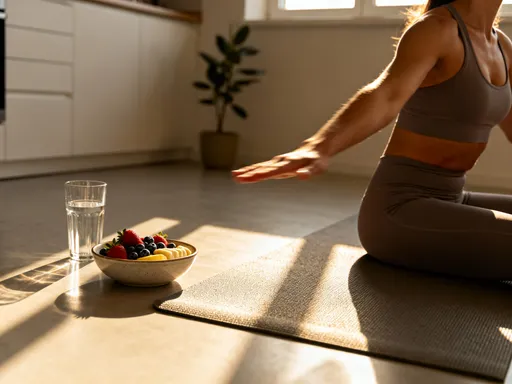
Over the years, I’ve learned that the most effective routines are the ones I can stick with—no matter how busy life gets. My daily movement plan isn’t complicated or time-consuming. It’s built around consistency, not intensity. Each morning, before breakfast, I spend five to ten minutes stretching. I focus on areas that tend to feel tight—my neck, shoulders, and lower back. I do gentle neck rolls, shoulder shrugs, and forward bends to wake up the body. This doesn’t require any special equipment or space. I do it in my living room, sometimes in pajamas, while the coffee brews. The goal isn’t to achieve perfect form or deep flexibility. It’s to signal to my body that a new day has begun and to encourage blood flow after hours of rest.
After meals, especially lunch and dinner, I take a short walk. Even ten minutes makes a difference. I walk around the block, through the backyard, or up and down the hallway if the weather is poor. This habit serves multiple purposes. It aids digestion, helps regulate blood sugar, and gives me a mental break from the day’s demands. Walking after eating has been shown to support metabolic health, making it a practical choice for long-term wellness. I don’t track steps or aim for a specific pace. I simply move at a comfortable speed, paying attention to my breathing and surroundings. This time often becomes a quiet moment of reflection, away from screens and distractions.
Throughout the day, I incorporate simple bodyweight movements. While waiting for the kettle to boil or the oven to preheat, I do a set of wall push-ups or calf raises. These take less than a minute but keep my muscles engaged. Before bed, I often do a few seated twists or gentle leg lifts while watching the evening news. These aren’t workouts in the traditional sense, but they add up. The beauty of this routine is that it doesn’t depend on willpower or perfect conditions. It’s designed to fit into the natural rhythm of the day. I don’t need to change clothes, drive anywhere, or follow a strict schedule. It works because it’s flexible, forgiving, and consistent. Over time, these small actions have helped me feel stronger, more alert, and more connected to my body.
How to Start Without Overwhelm
One of the biggest barriers to movement is the belief that it has to be all or nothing. Many women feel they don’t have enough time, energy, or space to exercise. The solution isn’t to push harder, but to start smaller. The most effective way to build a lasting habit is to begin with something so easy it feels almost too simple. For example, commit to standing up and sitting down five times after lunch. Or take three deep breaths and stretch your arms overhead every time you finish a task. These micro-movements may seem insignificant, but they lay the foundation for greater consistency.
Habit stacking is a powerful strategy for making movement a natural part of the day. This means linking a new behavior to an existing one. For instance, every time you pour your morning coffee, do ten squats or march in place while it cools. When you hang up the phone, stand on one leg for balance practice. These pairings turn routine moments into opportunities for activity. Because they’re tied to behaviors you already do, they don’t require extra effort or planning. Over time, the brain begins to associate these cues with movement, making the behavior automatic.
Setting tiny goals also helps overcome mental resistance. Instead of aiming for 30 minutes of exercise, aim for two. Instead of committing to daily workouts, start with three days a week. Tracking progress can be helpful, but it doesn’t need to be complicated. A simple checkmark on a calendar is enough to build momentum. The goal is to create a sense of achievement, not perfection. When a day is missed, there’s no need for guilt or self-criticism. The next day is a new opportunity. The focus should always be on progress, not performance. By removing pressure and embracing small wins, movement becomes less of a burden and more of a gift to yourself.
Science Behind the Simplicity
The effectiveness of low-to-moderate physical activity is well supported by public health research. Major health organizations, including the World Health Organization and the American Heart Association, recommend at least 150 minutes of moderate-intensity aerobic activity per week for adults. This doesn’t mean all activity must be structured or intense. Brisk walking, gardening, dancing, or cycling at a casual pace all qualify. The key is regular engagement. Studies show that people who meet these guidelines have a lower risk of developing chronic conditions such as heart disease, stroke, type 2 diabetes, and certain cancers.
One of the most compelling findings is that even small increases in activity can lead to measurable health improvements. For example, individuals who go from being sedentary to walking just 20 minutes a day often see reductions in blood pressure and improved mood within weeks. The benefits are not limited to physical health. Regular movement has been linked to better sleep quality, reduced feelings of stress, and enhanced cognitive function. These effects are especially valuable for women navigating the demands of midlife, where hormonal changes, caregiving responsibilities, and career pressures can take a toll on well-being.
The biological mechanisms behind these benefits are well understood. Movement stimulates the release of endorphins, natural chemicals that promote a sense of well-being. It also reduces levels of cortisol, a stress hormone that, when chronically elevated, can contribute to weight gain, fatigue, and weakened immunity. Additionally, physical activity supports brain health by increasing blood flow and encouraging the growth of new neural connections. This may help maintain mental sharpness and emotional resilience over time. The science is clear: movement is not just beneficial—it’s essential. But the good news is that you don’t need a gym, a trainer, or hours of free time to access these benefits. Consistent, everyday motion is enough to make a meaningful difference.
Making It Stick: Environment and Mindset
Sustaining movement habits over time depends less on willpower and more on environment and mindset. The spaces we live and work in can either support or hinder our efforts. Simple changes can make a big difference. For example, keeping a pair of walking shoes by the front door makes it easier to step outside after dinner. Placing a yoga mat in the bedroom or living room serves as a visual reminder to stretch or move. Using a phone or smartwatch to send gentle movement alerts can help break up long periods of sitting. These small adjustments reduce friction and make healthy choices more convenient.
Mindset is equally important. Many people approach movement with a critical inner voice—focusing on what they “should” do or how far they are from their ideal. This mindset often leads to frustration and burnout. A more effective approach is to cultivate self-compassion. Treat yourself with the same kindness you would offer a friend. If you miss a day, remind yourself that one lapse doesn’t erase progress. Wellness is a journey, not a destination. Celebrate small victories, like choosing the stairs or completing a short walk, without waiting for dramatic results.
Another helpful mindset shift is to view movement as self-care, not punishment. It’s not about fixing your body or meeting external standards. It’s about feeling good, staying strong, and honoring your health. When movement is framed this way, it becomes something to look forward to, not dread. Over time, this positive association builds motivation from within. You’re not doing it because you have to—you’re doing it because it makes you feel alive. This internal motivation is far more sustainable than external pressure. By shaping your environment and nurturing a kind, supportive mindset, you create the conditions for lasting change.
When to Talk to a Professional
While simple movement habits are safe and beneficial for most people, it’s important to recognize that they are not a substitute for medical care. If you have a chronic condition such as heart disease, arthritis, or diabetes, it’s wise to consult a healthcare provider before making changes to your activity level. A doctor or physical therapist can offer personalized guidance based on your health history and current needs. They may recommend specific types of movement, suggest modifications, or help you set realistic goals.
Some signs that professional input is needed include persistent pain, dizziness, shortness of breath, or unusual fatigue during or after activity. These symptoms shouldn’t be ignored. They may indicate an underlying issue that requires attention. Pregnant women or those recovering from surgery should also seek medical advice before beginning a new routine. The goal is to stay safe while staying active. A healthcare provider can help you find the right balance—encouraging movement without overexertion.
Additionally, if you’re unsure where to start or feel overwhelmed by conflicting information, a trusted professional can provide clarity. Registered dietitians, certified fitness instructors, or occupational therapists can offer evidence-based support tailored to your lifestyle. The internet is full of advice, but not all of it is accurate or appropriate for everyone. Getting guidance from a qualified source ensures that your efforts are both effective and safe. Taking this step isn’t a sign of weakness—it’s a sign of wisdom. It shows that you value your health enough to make informed choices.
Moving more is one of the most powerful things you can do for your long-term well-being. The good news is that it doesn’t require dramatic changes or perfect conditions. Small, consistent actions—like walking after meals, stretching in the morning, or taking the stairs—add up to meaningful results over time. The focus should always be on progress, not perfection. By redefining what counts as movement, you open the door to a more active, vibrant life. It’s not about fitting exercise into your day. It’s about letting movement become a natural part of how you live. When you treat your body with daily care, you build strength, energy, and resilience. You send a message that your health matters. And that message, repeated every day, becomes a quiet but powerful form of self-love. Start where you are. Use what you have. Do what you can. The journey to better health begins with a single step—and then another, and another. Keep moving, not because you have to, but because you can. And in that simple act, you reclaim your vitality, one moment at a time.