You Won’t Believe What I Found in Okinawa’s Hidden Art Villages
Okinawa isn’t just beaches and sunshine—its soul lives in the quiet rhythm of handmade pottery, traditional music, and centuries-old crafts. I went searching for authenticity and stumbled upon something viral-worthy: a cultural renaissance hiding in plain sight. From indigo-dyed textiles to village festivals pulsing with taiko drums, this is art that breathes. Let me take you where the real Okinawa thrives—far from the tourist trails. This is not a destination frozen in nostalgia, but one boldly reimagining its heritage for a new generation. Here, tradition is not preserved behind glass—it’s lived, shaped, and shared every day by those who call these islands home.
Beyond the Postcards: Rediscovering Okinawa’s Cultural Heart
When most travelers think of Okinawa, images of turquoise waters, white-sand beaches, and resort-lined coasts come to mind. Yet beneath this well-worn postcard image lies a deeper, quieter pulse—one rooted in centuries of Ryukyuan history, spiritual customs, and artisanal mastery. The Ryukyu Kingdom, which flourished from the 15th to the 19th century, was not only a maritime trading power but also a cultural crossroads where influences from China, Japan, and Southeast Asia blended into something uniquely island-born. Today, that legacy lives on not in museums alone, but in the hands of potters shaping clay, weavers threading banana fiber, and musicians strumming the three-stringed sanshin.
What sets Okinawa apart is how seamlessly the past integrates into the present. In villages tucked between limestone cliffs and coastal groves, elders teach children how to stamp bingata dyes using stencils passed down for generations. In community centers, families gather to practice Eisa drumming before summer festivals. These are not performances staged for tourists, but rituals woven into the rhythm of daily life. Increasingly, travelers are seeking out these authentic moments, drawn not by convenience but by connection. This shift—from passive sightseeing to active cultural immersion—marks a turning point in how Okinawa is experienced and understood.
The importance of this cultural rediscovery cannot be overstated. As global tourism rebounds, destinations risk being reduced to Instagram backdrops, their deeper meanings lost in the chase for likes. Okinawa, however, offers a counter-narrative: one where heritage is not commodified but cultivated. By stepping off the beaten path, visitors gain more than memories—they become part of a living tradition. This is travel with intention, where every interaction carries weight and every craft tells a story.
The Revival of Ryukyu Arts: When Tradition Becomes Trend
A quiet revolution is unfolding in Okinawa’s art studios and village workshops. Once at risk of fading into obscurity, traditional Ryukyu crafts are experiencing a renaissance, fueled by a new generation of artisans who honor the past while embracing innovation. At the heart of this revival are three iconic practices: bashofu weaving, tsuboya-yaki pottery, and bingata dyeing—each a testament to the island’s resourcefulness and aesthetic depth. What was once considered old-fashioned is now being celebrated as both art and activism, a way of preserving identity in an age of homogenization.
Bashofu, the delicate fabric woven from fibers of the Japanese banana plant, dates back over 500 years. In the village of Kijoka on Miyako Island, master weavers still use handlooms to create lightweight, breathable textiles prized for their durability and natural texture. Visitors can now participate in workshops where they learn to strip the plant, soften the fibers, and weave simple patterns under patient guidance. These hands-on experiences do more than teach a skill—they foster respect for the labor and wisdom embedded in every thread. The result is a growing appreciation not just for the fabric, but for the philosophy behind it: slow, sustainable, and deeply connected to the land.
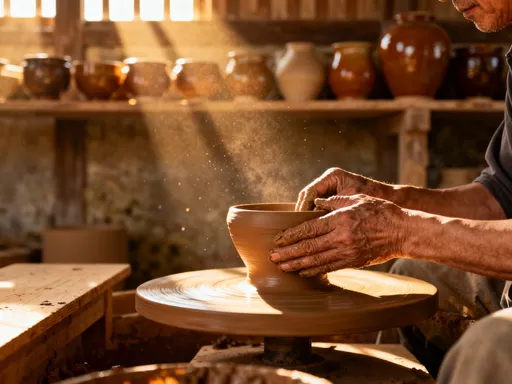
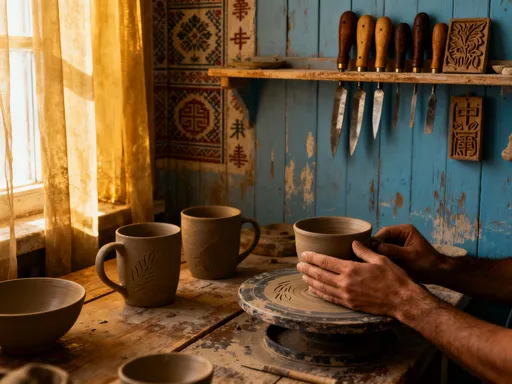
Meanwhile, in Naha’s Tsuboya district, the legacy of Okinawan pottery thrives in studios where clay is shaped into everything from rustic tea bowls to modern sculptural pieces. Tsuboya-yaki is distinguished by its warm, earthy glazes and organic forms, often inspired by ocean waves and tropical flora. Many potters now blend traditional techniques with contemporary designs, creating pieces that feel both ancient and current. Some have even partnered with local cafes and hotels to showcase their work, turning functional objects into conversation starters. Social media has played a pivotal role in this resurgence—short videos of artisans throwing clay or firing kilns have gone viral, drawing international attention to a craft once confined to local markets.
Bingata, the vibrant stencil-dyeing method using natural pigments, is another art form enjoying renewed interest. Characterized by bold floral and animal motifs in red, yellow, and indigo, bingata garments were once worn by Ryukyuan royalty. Today, designers are reinterpreting these patterns on scarves, tote bags, and even digital prints, making them accessible to a global audience. What’s remarkable is how these artists balance authenticity with adaptation—using traditional dyes like beni (from safflower) and tekki (iron-rich mud), while experimenting with new formats. The message is clear: tradition does not have to be static to be respected.
Art Walks in the Village: A Day in Taketomi and Shuri
To truly understand Okinawa’s artistic spirit, one must walk its villages—not as a spectator, but as a witness to daily life. Two destinations stand out for their immersive cultural offerings: Taketomi Island and Shuri in Naha. Though worlds apart in geography and history, both exemplify how art and community are inseparable in the Ryukyu imagination. A day spent in either place is not measured in sights checked off a list, but in moments of quiet revelation—the chime of a wind bell, the shadow of a stone wall, the murmur of a story told in dialect.
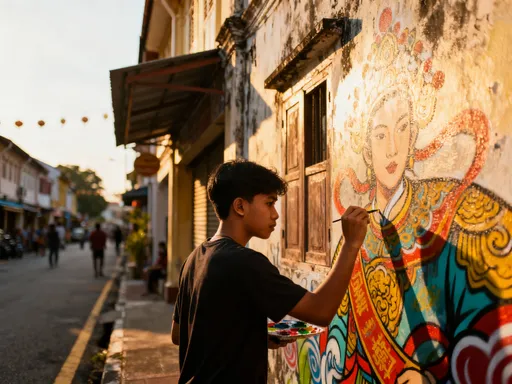
Taketomi, a small island in the Yaeyama archipelago, feels like stepping into a living postcard. Its red-tiled roofs, white coral stone walls, and narrow sand paths are meticulously preserved, not as a tourist gimmick, but as a point of pride. As you walk, you’ll notice intricate shell wind chimes dangling from eaves, their soft clinking a constant companion. Murals painted on courtyard walls depict island legends—dragons rising from the sea, turtles carrying souls to the afterlife—each brushstroke a nod to ancestral beliefs. Small family-run galleries display hand-carved wood masks used in folk performances, while local women demonstrate how to make rafute, a slow-braised pork dish, in open-air kitchens.
What makes Taketomi special is its pace. There are no cars—only water buffalo carts that creak slowly down the lanes, offering rides to visitors. This deliberate slowness invites engagement. You might find yourself sitting with an elder on a shaded bench, sipping awamori-infused tea while she explains the meaning behind a particular pattern on her kimono. Or you might wander into a community hall where children are learning traditional dance steps, their feet tapping in unison to a sanshin melody. These are not staged shows; they are glimpses into a culture that values continuity and shared memory.
In contrast, Shuri—once the capital of the Ryukyu Kingdom—offers a more formal, yet equally moving, encounter with history. The reconstructed Shuri Castle, a UNESCO World Heritage Site, rises majestically on a hilltop, its vermilion gates and curved rooftops echoing Chinese and Japanese architectural influences. Though the original structure was damaged by fire in 2019, ongoing restoration efforts have become a symbol of resilience. Around the castle grounds, narrow lanes lead to craft studios where artisans shape lacquerware, carve stone reliefs, and paint folding screens with scenes from royal processions.
Visitors can attend live demonstrations at the Shuri Craft Center, where masters explain the significance of their work. One potter might describe how the ridged texture of his bowls mimics the scales of a sea serpent, a creature of protection in Ryukyuan myth. A textile artist might show how natural dyes are extracted from local plants, each hue tied to a season or spiritual meaning. These interactions do more than educate—they create emotional resonance, reminding us that art is not separate from belief, but an expression of it.
Music That Moves the Islands: From Sanshin to Modern Fusion
If Okinawa has a soul, it sings through the sanshin, a three-stringed lute with a snakeskin-covered body and a sound both haunting and uplifting. More than an instrument, the sanshin is a vessel of memory, carrying melodies that speak of loss, longing, and resilience. Its music—characterized by sliding notes, gentle tremolos, and poetic lyrics—has been passed down orally for generations, often taught within families or through community music groups. Today, it remains central to festivals, weddings, and gatherings, its presence a comforting thread through life’s milestones.
But the sanshin is not trapped in the past. In recent years, young musicians have begun blending its traditional sound with jazz, folk, and even electronic music, creating a new genre that honors roots while reaching new audiences. In Naha’s Kokusai Street, it’s not uncommon to stumble upon an impromptu performance: a teenager plucking a melancholic tune on a sanshin, backed by a guitarist playing soft chords. Passersby pause, some closing their eyes as if transported. These moments—unscripted and heartfelt—are where culture breathes most fully.
For a more curated experience, venues like the Naha Cultural Arts Theater host evening concerts that bring together veteran performers and emerging artists. One recent show featured a collaboration between a 78-year-old sanshin master and a 25-year-old composer who layered traditional songs with ambient soundscapes. The result was mesmerizing—a dialogue between eras, where ancient lyrics about ocean voyages echoed over modern beats that mimicked the rhythm of waves. Tickets for such events are often modestly priced, reflecting a commitment to accessibility rather than exclusivity.
What’s remarkable is how this musical evolution is being shared beyond the islands. Okinawan artists have gained international followings on platforms like YouTube and Spotify, where tracks like “Asadoya Yunta” and “Tinsagu Nu Hana” have been remixed and covered by global musicians. These songs, once sung only in village homes, now play in cafes from Paris to Portland. Yet, even as they go viral, their meaning remains intact—songs about family, land, and the fleeting beauty of life. This digital reach does not dilute the culture; it amplifies it, inviting the world to listen deeply.
Festivals as Living Art: When the Community Becomes the Canvas
In Okinawa, festivals are not mere entertainment—they are acts of remembrance, renewal, and unity. The most iconic of these is the Eisa Festival, held each summer in towns across the islands. What begins as a Buddhist ritual to honor ancestors transforms into a powerful street performance, where hundreds of drummers, dancers, and chanters move in synchronized waves through the night. Dressed in vibrant costumes adorned with tassels, mirrors, and embroidered symbols, they beat taiko drums with controlled intensity, their steps forming intricate patterns on the pavement.
The rhythms of Eisa are more than music—they are language. Each beat, each turn, carries meaning. The drumming mimics the heartbeat of the earth, while the dancers’ circular formations represent the cycle of life and death. Costumes often include elements believed to ward off evil spirits, such as mirrors and red sashes, linking the performance to spiritual protection. For younger participants, joining an Eisa group is a rite of passage, a way of connecting with grandparents’ stories and ancestral lands. Practices begin weeks in advance, with rehearsals held in schoolyards and community centers, fostering intergenerational bonds.
Visitors are welcome to observe, and in some towns, even to participate. In Yomitan and Kadena, local organizers offer short workshops before the main events, teaching basic steps and rhythms to interested guests. These are not tourist attractions, but inclusive experiences grounded in respect. Participants are asked to listen, to follow, and to honor the significance of what they are joining. The goal is not perfection, but presence. As one elder dancer once said, “When you move with us, you carry a piece of our history in your feet.”
Other festivals, like Shioya Oharai—a purification ritual involving seawater offerings—and the Naha Tug-of-War Festival, also blend artistry with community action. Murals are painted, floats are built, and songs are composed in the weeks leading up to these events. The entire village becomes a studio, and every resident a contributor. This collective creativity is what makes Okinawan culture so resilient—it is not owned by a few, but sustained by many.
How to Experience It Right: Practical Tips for Cultural Travelers
Engaging with Okinawa’s cultural heart requires more than curiosity—it demands mindfulness. The growing popularity of artisan villages and traditional festivals means that respectful travel is more important than ever. The key is to move beyond passive observation and toward meaningful engagement. This begins with choosing experiences that prioritize local voices and sustainable practices. Instead of booking mass-market tours, seek out community-led workshops, family-run galleries, and cooperatives that directly support artists.
One of the best ways to connect is by participating in a craft workshop. Many studios in Tsuboya, Kijoka, and Taketomi welcome visitors for short sessions in pottery, weaving, or dyeing. These are not quick souvenir-making kits, but guided introductions to the craft’s history and technique. Fees are typically modest—ranging from 2,000 to 5,000 yen—and often include materials and a small keepsake. More importantly, they create space for conversation, allowing travelers to ask questions and express appreciation in a personal way.
Supporting artist cooperatives is another impactful choice. In Naha’s Makishi Market, for example, local women sell handmade bingata scarves, hand-thrown ceramics, and bamboo baskets. Purchasing directly from them ensures that income stays within the community. Look for labels or signs indicating “handmade in Okinawa” or “produced by local artisans.” Avoid mass-produced imitations sold in airport shops or large souvenir stores, as these often undermine the very traditions they claim to celebrate.
Timing also matters. Visiting during the off-season—between September and November or January and March—reduces crowding and increases opportunities for authentic interaction. Summer months, while vibrant with festivals, can be overwhelming and hot. Traveling slowly enhances the experience: spend two or three days on a single island, return to the same village more than once, and allow time for unplanned moments. A shared meal, a chance encounter, a silent moment in a garden—these often leave the deepest impressions.
Transportation should be considered thoughtfully. Renting a car offers flexibility, especially for reaching remote villages, but public buses and local ferries are eco-friendly alternatives that connect you to daily island life. When walking through cultural sites, dress modestly, speak quietly, and always ask before photographing people or ceremonies. These small acts of respect go a long way in building trust and mutual understanding.
Why This Moment Matters: Preserving Culture in a Digital Age
At a time when attention spans are short and travel trends shift rapidly, Okinawa’s cultural revival offers a powerful reminder: heritage is not a relic, but a living, evolving force. The viral moments—videos of drum circles, reels of dyeing demonstrations, TikTok clips of sanshin melodies—are not distractions from authenticity, but bridges to it. They draw new eyes, spark curiosity, and open doors for dialogue. But with this visibility comes responsibility. The risk of performative tourism—where culture is reduced to a backdrop for photos—remains real.
Thankfully, many Okinawan communities are responding with wisdom. Some villages have established cultural councils to oversee visitor access, ensuring that traditions are shared on their own terms. Others use online platforms not just for promotion, but for education—posting subtitles in multiple languages, sharing historical context, and inviting global audiences to support preservation funds. A recent crowdfunding campaign to restore a 200-year-old weaving house raised over $120,000 from donors in 18 countries, proving that digital connection can fuel real-world impact.
Yet technology alone cannot sustain culture. What keeps it alive is human connection—the grandmother teaching her granddaughter a song, the visitor who stays to help clean up after a festival, the artist who chooses to remain on the island despite urban opportunities. These acts of care, often unseen, are the true foundation of preservation.
So as you consider your next journey, ask not just where you want to go, but how you wish to travel. Will you be a consumer of culture, or a custodian of its spirit? Okinawa invites not perfection, but presence. It asks only that you come with open hands and an open heart. Because in the end, its art is not meant to be merely seen. It is meant to be felt, shared, and carried forward—one mindful step at a time.